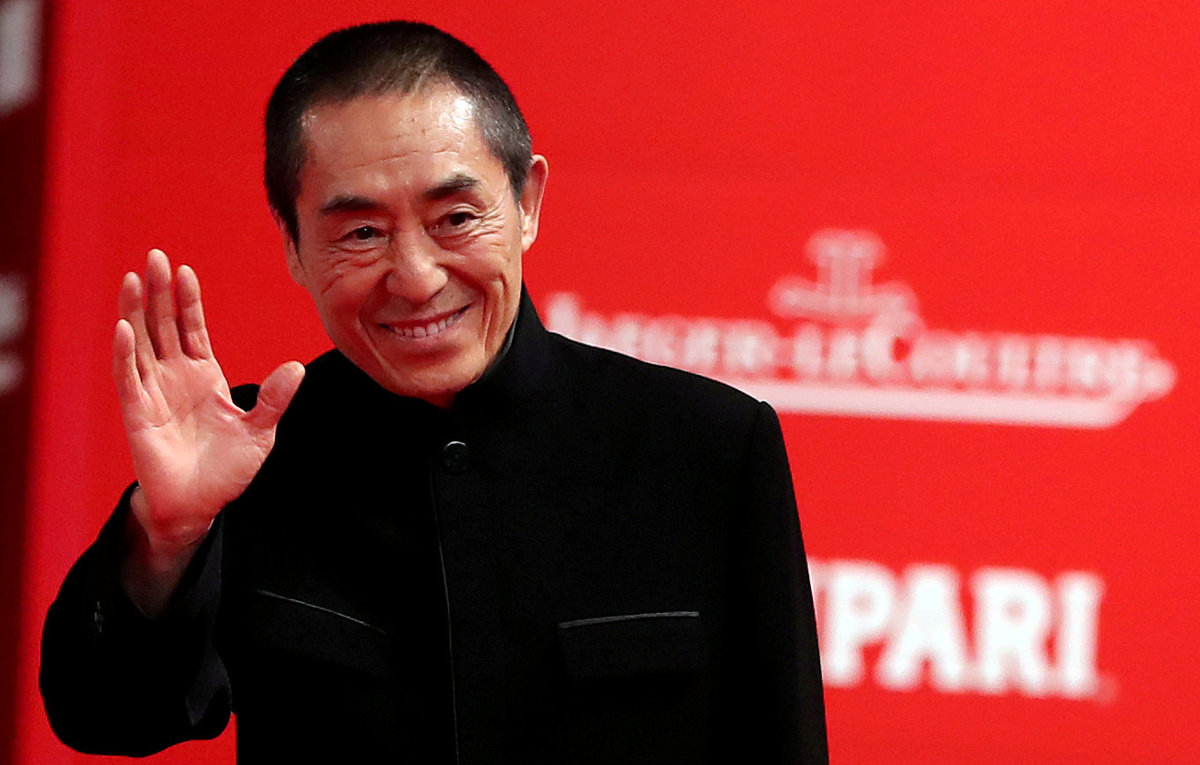
Zhang Yimou
Introduction
Zhang Yimou stands as one of the most influential figures in contemporary cinema, celebrated for his significant contributions to the evolution of Chinese and global filmmaking. His works have consistently pushed the boundaries of storytelling by blending traditional Chinese elements with modern cinematic techniques, earning him accolades across the globe. Zhang's impact on the film industry is epitomized by his pioneering role among the Fifth Generation of Chinese filmmakers, a group that brought a revolutionary aesthetic and thematic depth to Chinese cinema.
Early Life
Zhang Yimou's early life in Xi'an, Shaanxi province, was marked by significant cultural and social changes in China. Growing up during the tumultuous years of the "cultural revolution" (1966-76), Zhang developed a keen sensitivity to the complexities of Chinese society, which later became a hallmark of his filmmaking. His initial exposure to the arts came through photography, which he pursued passionately during his early years. Despite the challenges of the period, Zhang's determination and talent led him to the Beijing Film Academy, where he majored in cinematography. This formal education provided the foundation for his future endeavors in film, where he would eventually become a leading figure in the industry.
Career
Directorial Debut
Zhang Yimou's directorial debut, Red Sorghum (1987), marked a significant milestone in his career and the film industry. Adapted from Nobel Prize-winning author Mo Yan's novel, the film introduced Zhang's unique cinematic vision to the world. It was lauded for its lush visual style and compelling storytelling, earning international recognition and critical acclaim. Red Sorghum not only showcased Zhang's directorial prowess but also set the stage for his future works that would explore complex themes of human emotion and cultural identity.
Notable Films
Throughout his illustrious career, Zhang Yimou has directed numerous films that have garnered both critical and commercial success. Some of his most notable works include Raise the Red Lantern (1991), The Story of Qiu Ju (1992), and Hero (2002). These films are characterized by their striking visual aesthetics, intricate narratives, and exploration of Chinese history and culture. Raise the Red Lantern, in particular, is celebrated for its portrayal of feudal China and the emotional depth of its characters, while Hero is praised for its innovative use of color and choreography in storytelling.
Collaboration with Gong Li
Zhang Yimou's collaboration with actress Gong Li is one of the most iconic partnerships in cinema. Gong Li starred in several of Zhang's early films, including Red Sorghum, Raise the Red Lantern, and The Story of Qiu Ju. Their collaboration was instrumental in elevating both their careers, with Gong Li's performances receiving widespread acclaim. The duo's ability to capture the intricate nuances of human emotion and cultural dynamics contributed significantly to the films' success and solidified their place in cinematic history.
International Recognition
Zhang Yimou's impact on global cinema was solidified through his international recognition and numerous awards. His ability to translate Chinese cultural narratives into a universal cinematic language has earned him a revered place in film history. Zhang's works have been celebrated at international film festivals and have garnered nominations for Academy Awards, further establishing him as a global cinematic icon.
Recent Works
In recent years, Zhang Yimou has continued to innovate and captivate audiences with his films. His latest works, such as Shadow (2018) and Cliff Walkers (2021), demonstrate his enduring creativity and versatility. "Shadow" received acclaim for its aesthetic reminiscent of traditional Chinese ink-wash painting, while Cliff Walkers marked his foray into the spy thriller genre. These films showcase Zhang's ability to adapt and explore new themes while maintaining his signature style, ensuring his continued relevance and impact in the ever-evolving landscape of cinema.
Style and Themes
Zhang Yimou's films are renowned for their rich visual style and thematic depth. He often employs vibrant color palettes and striking cinematography to enhance the storytelling experience. His works frequently explore themes such as human resilience, social injustice, and the interplay between tradition and modernity. Zhang's ability to weave complex narratives with cultural and historical elements has made his films resonate with audiences worldwide. His distinctive style and thematic focus have not only defined his career but have also contributed significantly to the global appreciation of Chinese cinema.
Awards and Honors
Zhang Yimou's contributions to cinema have been recognized with numerous awards and honors. He has received multiple international accolades, including the Venice Film Festival's Golden Lion and Silver Lion awards. Zhang's films have been nominated for Academy Awards and have won prizes at prestigious festivals like Cannes and Berlin. In addition to his film-related achievements, Zhang has also been honored for his work beyond the cinema, such as directing the opening and closing ceremonies of the 2008 Beijing Olympics. These achievements underscore Zhang Yimou's status as a visionary filmmaker and a cultural ambassador.








